

A new dedicated urology investigations unit has opened at Bridgwater Diagnostic Centre, helping patients access more of their appointments, tests and procedures in one place.
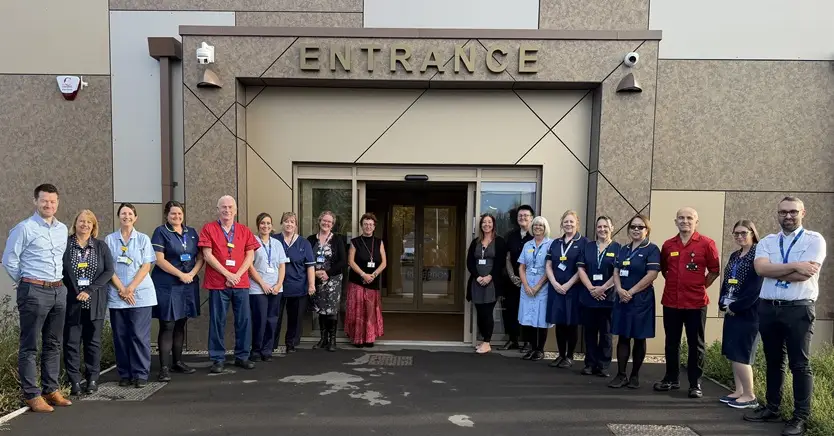
The unit, which opened this week, is run by Somerset NHS Foundation Trust and brings together a range of urology outpatient and diagnostic services in a modern, purpose-designed environment.
It means many patients who would previously have travelled to different parts of Musgrove Park Hospital for appointments and investigations will now be able to access their care at the Bridgwater Diagnostic Centre, with the aim of reducing the number of hospital visits needed where possible.
The new unit will initially support patients with diagnostic pathways, including flexible cystoscopy, trans perineal prostate biopsies, urodynamics and flow tests, and consultant-led outpatient clinics.
Mr Marc Williams, a consultant urology surgeon at Somerset NHS Foundation Trust, said the new unit marks an important step forward for urology patients in Somerset.
He said: “Urology is a specialty where many patients can be assessed, investigated and treated in an outpatient setting, without the need for an operation or an inpatient stay. “By creating a dedicated urology investigations unit, we are bringing together the people, facilities and equipment needed to support patients in a more streamlined way.
“For some patients, that may mean being able to have more than one test or investigation on the same day, rather than having to come back to hospital several times. “It also means our specialist nurses and medical colleagues can work much more closely together, with consultant advice available there and then where it is needed.”
Until now, urology outpatient services at Musgrove Park Hospital have been spread across different areas of the hospital site. General outpatient appointments have taken place at the front of the hospital, while
some procedures and investigations have been carried out in separate areas, including the day surgery centre and surgical investigations unit.
Johannah Taswell, service manager for urology at Somerset NHS Foundation Trust, said the move will make a real difference to the way the service is able to support patients and colleagues. “Our existing facilities for urology outpatient and diagnostic appointments at Musgrove Park Hospital are spread across the hospital,” she said. “At the moment, our teams are working across different parts of the hospital site,
which can make it harder to deliver the joined-up, efficient care that we know patients benefit from.
“The new urology investigations unit gives us the opportunity to bring much of that activity together in one dedicated space, with better facilities for patients and much closer working between our nursing, medical and administrative colleagues.”
The development reflects national guidance around the creation of urological investigation units, which encourages NHS organisations to bring together consulting rooms, procedure rooms and administrative support so that teams can provide more efficient outpatient care. Mr Williams said this team-based approach would be particularly important for patients being seen in nurse-led clinics, such as those for stone conditions or bladder outflow obstruction.
“Our clinical nurse practitioners already play a hugely important role in caring for urology patients,” he said. “However, they have not always had immediate access to a consultant while running their clinics.
“In the new unit, we will be able to make sure that specialist consultant input is available alongside those clinics. That means if a nurse has a question about a patient’s care plan, they can seek advice straight away, rather than having to wait for a future multidisciplinary meeting. “That may not always change what happens for the patient, but where it does, it has the potential to avoid unnecessary delays and help us make decisions more quickly.”
One of the early benefits of the new unit is its close link with diagnostic facilities at Bridgwater Diagnostic Centre, which opened last month, including CT and MRI scanning. For some patients, this could mean having an investigation such as a flexible cystoscopy and a scan during the same visit, depending on their individual pathway and clinical need. Mr Williams added: “For patients on some pathways, particularly those being investigated for blood in their urine, having access to diagnostic tests on the same
site is a real advantage.
“Patients will not always receive all of their results on the day, as some reports take time to review, but the ability to coordinate appointments more closely can make the process smoother and more convenient.
“The aim is always to make sure patients get the right investigation, in the right place, at the right time.”
David Craig, programme director for Somerset community diagnostic centres, said the new unit will also help make better use of facilities across the trust. He said: “The urology investigations unit is a great example of how we can use our community diagnostic centres to support more planned care outside of our acute hospital sites. “It will allow some procedures to move out of our day surgery centre and into
dedicated procedure rooms at Bridgwater, which supports better use of space and capacity across our hospitals.
“It also means patients can access more services locally, with free parking at the Bridgwater Diagnostic Centre and a modern environment that has been designed with outpatient diagnostics in mind.”
The unit will mainly support patients from the west of Somerset, although a small number of urology appointments will continue to take place at Musgrove Park Hospital. This includes care linked to patients who are already in hospital, those who need support following surgery, and some emergency cover.
Johannah added that Bridgwater was chosen for a number of reasons, including the development of the diagnostic centre and the level of demand for urology services from the local area. She said: “Bridgwater is one of the areas where we see a higher number of referrals into our urology service, so it made sense to look at how we could improve access for that population. “We know that any service change can affect people differently, so we are also working with our patient engagement team to hear from patients about the proposed development and what matters most to them. That feedback will be really important
as we continue to develop the service.”
Mr Williams said the opening of the unit was an important milestone, but also part of a wider ambition to improve the experience of patients who need urological care. “This is about creating a better environment for patients and colleagues, but it is also about improving the way care is organised,” he added.
“Patients with urological conditions often need a combination of appointments, tests and clinical advice. By bringing those elements together, we can provide a more coordinated service and reduce some of the inconvenience that comes with travelling around a hospital site or attending multiple appointments.
“It is a really positive development for urology services in Somerset and one that gives us a strong foundation to build on in the future.”
